
How Behaviour-Led Design Helped Prevent Young People from Starting Smoking
- ANOOP RANDERWALA
- Mar 10
- 3 min read
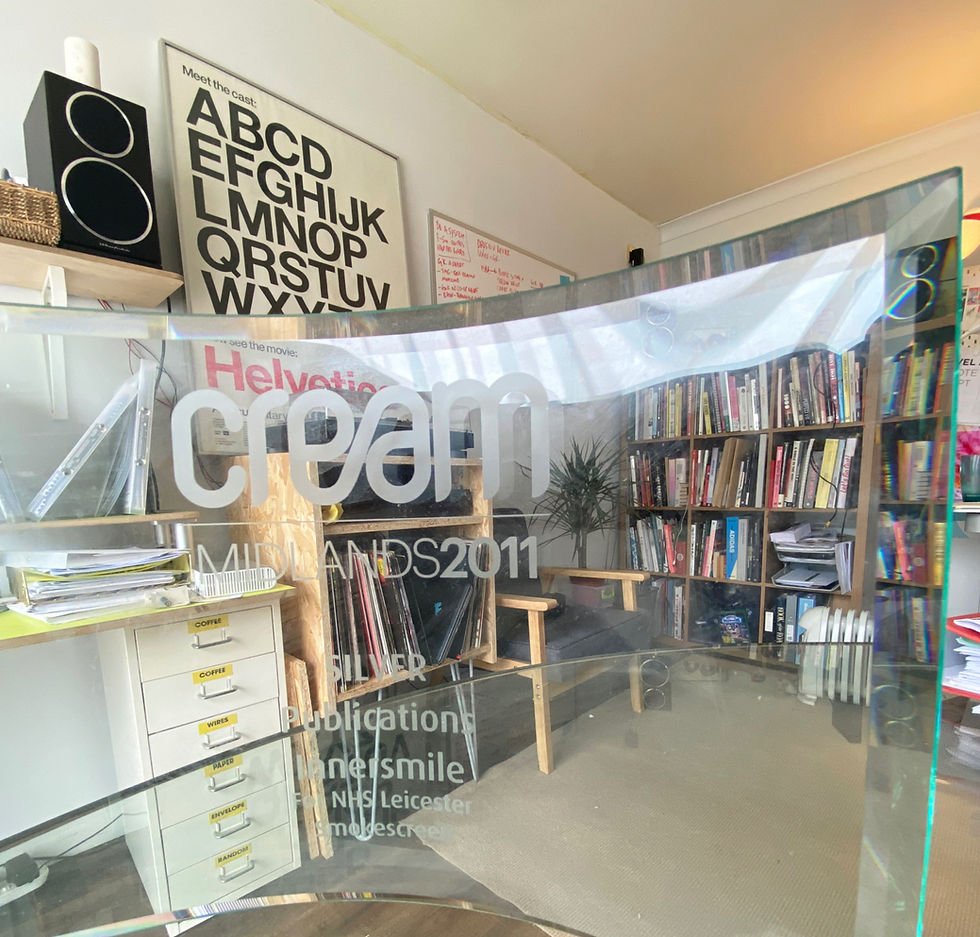
The project later received a Silver award for Publication at the Cream Midlands Awards, recognising the campaign’s creative approach to youth communication.
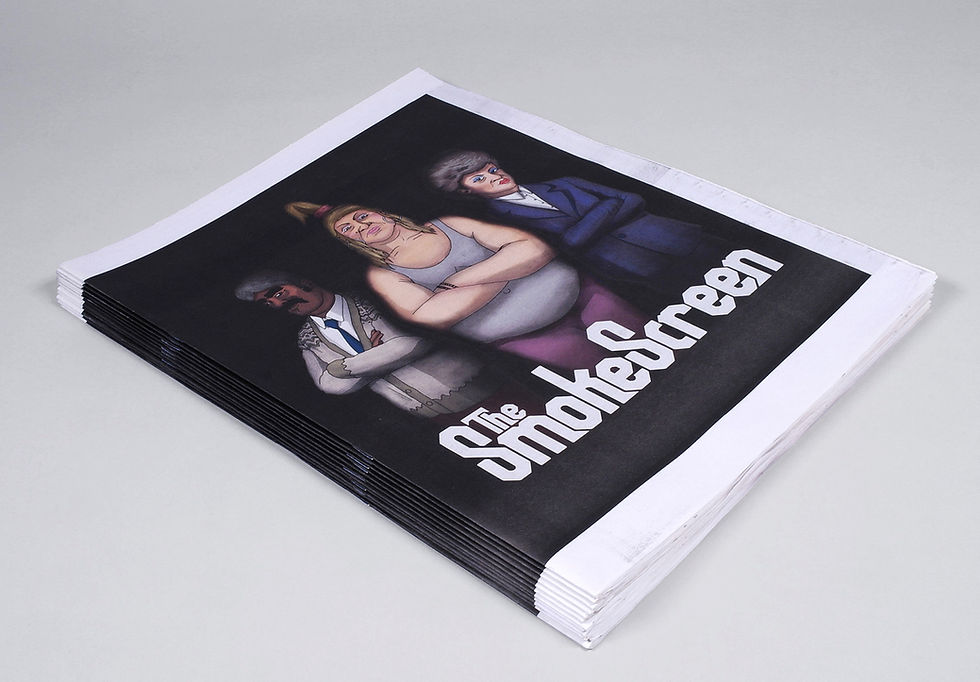
Some public health campaigns tell young people smoking is dangerous.
The problem is most already know that.
What they often don’t connect with is why they should care right now, in their world, in their language, through something that feels relevant to them.
That was the challenge behind SmokeScreen, a youth smoking prevention intervention created for NHS Leicester.
Instead of repeating familiar health warnings, the project took a different route:
show young people how the tobacco industry works like a system recruiting replacements.
The core idea was simple but powerful:
Every year, smokers die.
The tobacco industry needs new smokers to replace them.
Young people are the target.
So SmokeScreen introduced a phrase young people had never heard before:
“Replacement Smoker.”


That single phrase shifted the conversation.
Instead of being told smoking damages health in the future, young people were asked to see themselves differently in the present:
Would you allow yourself to become part of that system?
The creative direction deliberately avoided traditional health campaign language.
Young people had already said through consultation that shock imagery no longer had impact because they had become used to it and often responded with:
"That won’t happen to me."
So the intervention borrowed from youth culture instead.
The visual world was inspired by gangster films and gaming culture described as:
“San Andreas meets Goodfellas.”

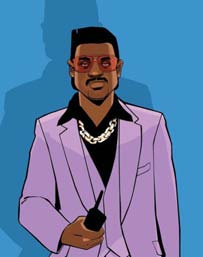


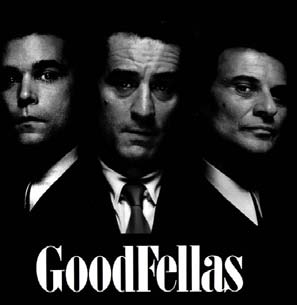
The tobacco chain was reimagined as a cast of characters:
The Lobbyist, The Smuggler, The Politician, The Bootlegger ,The Friend.

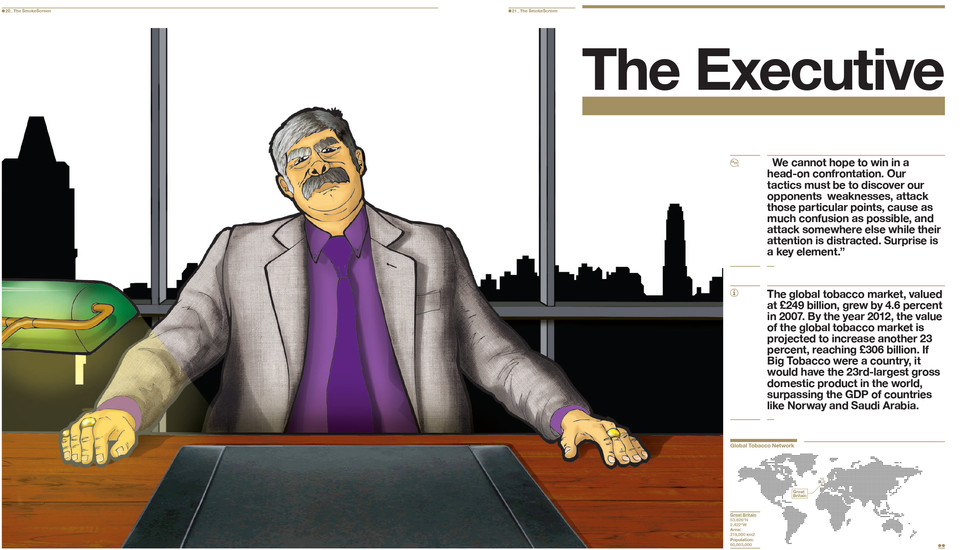



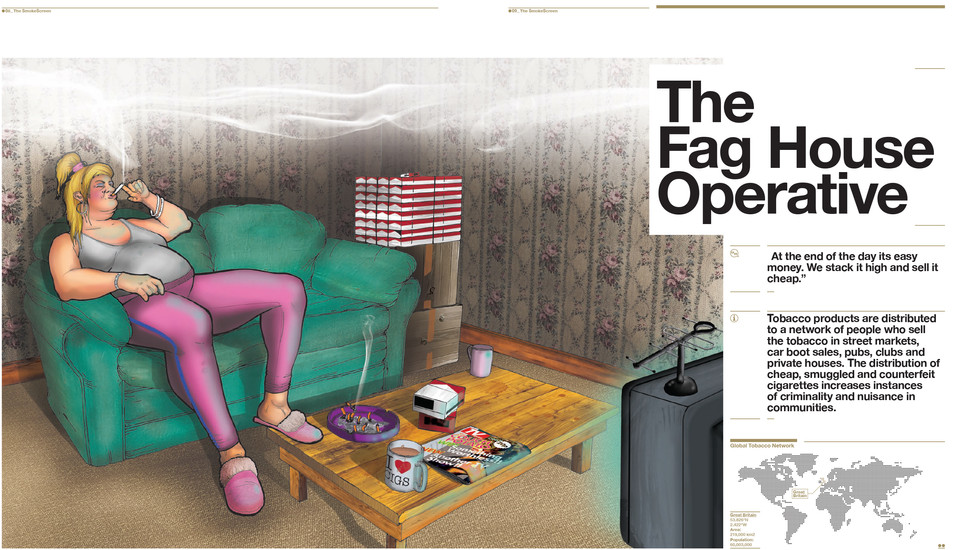


Each character showed how tobacco reaches young people through influence, manipulation and hidden systems.
That immediately gave the campaign narrative power.
Instead of preaching, it became something young people wanted to explore.
To build authenticity, we art directed a photoshoot using our own team as character references before illustrating each role by hand.
The design then combined:
hand-rendered illustration
clean Helvetica layouts
newspaper-style print finish
collectible-style printed materials
posters, pledge cards, DVDs, pens and lanyards


This made the campaign feel less like health information and more like something culturally designed for them.
And that mattered.
Because behaviour design often works best when people do not feel instructed, they feel drawn in. The strongest result came through participation.
More than 7,400 young people signed a pledge stating they would not become a replacement smoker, with 2,500 providing email addresses for follow-up engagement.
The evaluation showed:
81% said they became more aware of tobacco harm
77% said they were less likely to start smoking
85% of non-smokers said the campaign reduced likelihood of starting
Even more important:
young people did not sign simply for incentives.
The report found most responses reflected a genuine decision not to smoke, not transactional behaviour.
Teachers also noticed the difference. One school described the campaign as:
"interesting, refreshing and powerful."
The campaign later received a Silver Award for Publication at the Cream Midlands Awards, recognising the strength of the creative approach and its ability to communicate complex public health messages in a way that resonated with young audiences.
Because behaviour change rarely happens when information is simply delivered.
It happens when people see themselves differently inside the story being told. See more of this work See how to engage Gen z


Comments